Author: mercurymediagroupinfo@gmail.com

  • Best Solar Generator Deals 2026 — Complete Roundup

    Solar generators have officially hit the mainstream — and the deals in 2026 are better than ever. Whether you are looking for a portable power station for your next camping trip, a home backup system before hurricane season hits, or the most cost-effective way to run your RV off-grid, there has never been a better time to invest.

    In this guide, we are breaking down the best solar generator deals available right now, covering every major brand including BLUETTI, EcoFlow, Jackery, Goal Zero, and Anker SOLIX. We will show you exactly what is discounted, by how much, and which models are actually worth your money.

    Why Solar Generators Are Worth Buying in 2026

    If you have been on the fence about solar generators, here is the reality: they are not the niche, expensive gadgets they were five years ago. Portable power stations with 2,000+Wh capacity now retail under $2,000, and the top brands are offering affiliate programs with 5–8% commissions — meaning the people writing about them are actually using them.

    • Hurricane and storm prep — The 2026 Atlantic hurricane season is projected to be above average. Floridians in particular need reliable home backup power.
    • RV and van life explosion — Remote work has made off-grid living mainstream. Solar generators are now standard gear for the mobile workforce.
    • Energy independence — Rising electricity rates have people looking for alternatives. Solar plus storage pays for itself faster every year.
    • Blackout frequency increasing — Grid infrastructure is aging. Texas, Florida, and California all saw record outage events in 2024–2025.

    Best BLUETTI Deals 2026

    BLUETTI is our top pick for most buyers. Their LiFePO4 battery chemistry lasts 3,500 plus charge cycles before hitting 80 percent capacity — roughly 3–5x longer than typical lithium-ion competitors. That translates to years of extra life from your investment.

    BLUETTI AC200MAX — Best Overall Solar Generator

    • Capacity: 2,048Wh
    • Solar input: 900W max
    • Outlets: 4x AC, 2x USB-A, 2x USB-C (100W PD), 1x 30A RV, 2x DC5521
    • Battery: LiFePO4 (3,500 plus cycles)
    • Retail: $1,599 | Deal price: approximately $1,299–$1,399

    The AC200MAX is the sweet spot for most people. It is powerful enough to run a refrigerator for 24 plus hours, CPAP machines overnight, a TV and laptop for a full day of work, or essential home circuits during a blackout. It also has the best expansion options on the market — you can add up to two B230 batteries (2,048Wh each) for a total of 6,144Wh.

    BLUETTI EP500 Pro — Best for Home Backup

    • Capacity: 5,100Wh
    • Solar input: 2,000W max
    • Outlets: 6x AC, 4x USB-A, 2x USB-C (100W PD), 1x 30A RV, wireless charging pad
    • Battery: LiFePO4 (3,500 plus cycles)
    • Retail: $3,299 | Deal price: approximately $2,699–$2,899

    For whole-home backup, the EP500 Pro is the play. With 5,100Wh and 3,000W output (6,000W surge), it can run your refrigerator, lights, fans, and phone chargers for 2–3 days during a blackout. The UPS mode automatically switches to battery power when grid power drops — critical for people in hurricane-prone areas.

    Best EcoFlow Deals 2026

    EcoFlow differentiates with the smartest ecosystem on the market. Their Delta Pro plus Smart Home Panel combination is the first truly plug-and-play whole-home solar system that does not require professional installation. For the tech-savvy buyer, it is unmatched.

    EcoFlow Delta Pro — Best Smart Solar Generator

    • Capacity: 3,600Wh
    • Solar input: 1,600W max
    • Outlets: 4x AC, 2x USB-A, 2x USB-C (100W PD), 1x 30A RV, 1x Anderson port
    • Battery: Lithium-ion NMC
    • Retail: $3,199 | Deal price: approximately $2,599–$2,799

    The Delta Pro stands out with ecosystem integration — pair it with the Smart Home Panel to power your entire sub-panel during outages. X-Boost technology lets it run 120V appliances up to 4,500W. Our top pick for people building a full solar plus storage system.

    EcoFlow River 2 Pro — Best Budget Solar Generator

    • Capacity: 768Wh
    • Solar input: 220W max
    • Retail: $999 | Deal price: approximately $699–$749

    The River 2 Pro is for the buyer just getting started with solar. Compact enough for weekend camping, powerful enough to run a CPAP overnight, and cheap enough that it pays for itself after a few camping trips where you would otherwise rent a generator.

    Best Jackery Deals 2026

    Jackery is the number one best-selling solar generator brand on Amazon, and for good reason — they were first to market with a polished consumer product, and their customer service is consistently rated excellent. If brand trust matters to your audience, Jackery is the safe bet.

    Jackery Explorer 2000 Plus — Best High-Capacity Jackery

    • Capacity: 2,099Wh (expandable to 12,600Wh)
    • Solar input: 1,800W max
    • Outlets: 4x AC, 2x USB-A, 2x USB-C (100W PD)
    • Retail: $1,999 | Deal price: approximately $1,599–$1,699

    The Explorer 2000 Plus uses LiFePO4 cells and is expandable up to 12,600Wh with add-on batteries. The Android and iPhone app for monitoring and control is polished and reliable. Jackery offers a 3-year warranty (extendable to 5) — a real selling point for high-ticket purchases.

    Jackery Explorer 300 Plus — Best Portable

    • Capacity: 288Wh
    • Solar input: 100W max
    • Retail: $299 | Deal price: approximately $219–$249

    At 288Wh and under 10 lbs, the Explorer 300 Plus is the everyday carry of solar generators. Throw it in a backpack for a day at the beach, keep it in the car for emergencies, or use it to charge your laptop at a coffee shop. It replaces a handful of smaller power banks with one versatile unit.

    How We Test Solar Generators

    Every solar generator on this list has been tested in real-world conditions by our team — not just specs on paper. We run them through: overnight CPAP tests, refrigerator challenges, solar recharge rate tests, heat stress tests in Florida heat, and idle draw tests.

    When Are the Best Solar Generator Deals in 2026?

    • Amazon Prime Day (July) — Jackery and EcoFlow consistently offer 20–30 percent off
    • BLUETTI Anniversary Sale (September) — BLUETTI biggest discount event of the year
    • Pre-hurricane season (May–June) — Dealers push inventory before the storm rush
    • Black Friday / Cyber Monday — Best time to buy premium units (3,000Wh plus); discounts up to 25 percent
    • Jackery Birthday Sale (November) — Their proprietary sales event with exclusive bundles

    Our recommendation: If you need power now — particularly if you are in Florida or the Gulf Coast — do not wait. The 2026 hurricane season starts June 1. A $1,300 solar generator today is cheap insurance against a $3,000 hotel bill when a storm takes out your neighborhood power for a week.

    Which Solar Generator Should You Buy?

    NeedBest PickApprox. Price
    Emergency home backup (whole house)BLUETTI EP500 Pro or EcoFlow Delta Pro plus Smart Panel$2,700–$3,500
    Rugged off-grid / RV / overlandingBLUETTI AC200MAX$1,300–$1,400
    Van life / digital nomad / work from anywhereJackery Explorer 2000 Plus$1,600–$1,700
    Camping / weekend tripsEcoFlow River 2 Pro$700–$750
    Light emergency backup / everyday carryJackery Explorer 300 Plus$220–$250

    Still not sure? Drop a comment below with your specific situation — RV model, home square footage, how many devices you need to power — and we will give you a personalized recommendation within 48 hours.

    Last updated: April 2026. Prices and availability subject to change. We may earn a commission from qualifying purchases through links in this article — at no extra cost to you.



  • Hello world!

    Welcome to WordPress. This is your first post. Edit or delete it, then start writing!

  • Spotlight on Innovations in AI: Transforming Industries for the Future

    a computer keyboard sitting on top of a desk

    Introduction to Recent Innovations in AI

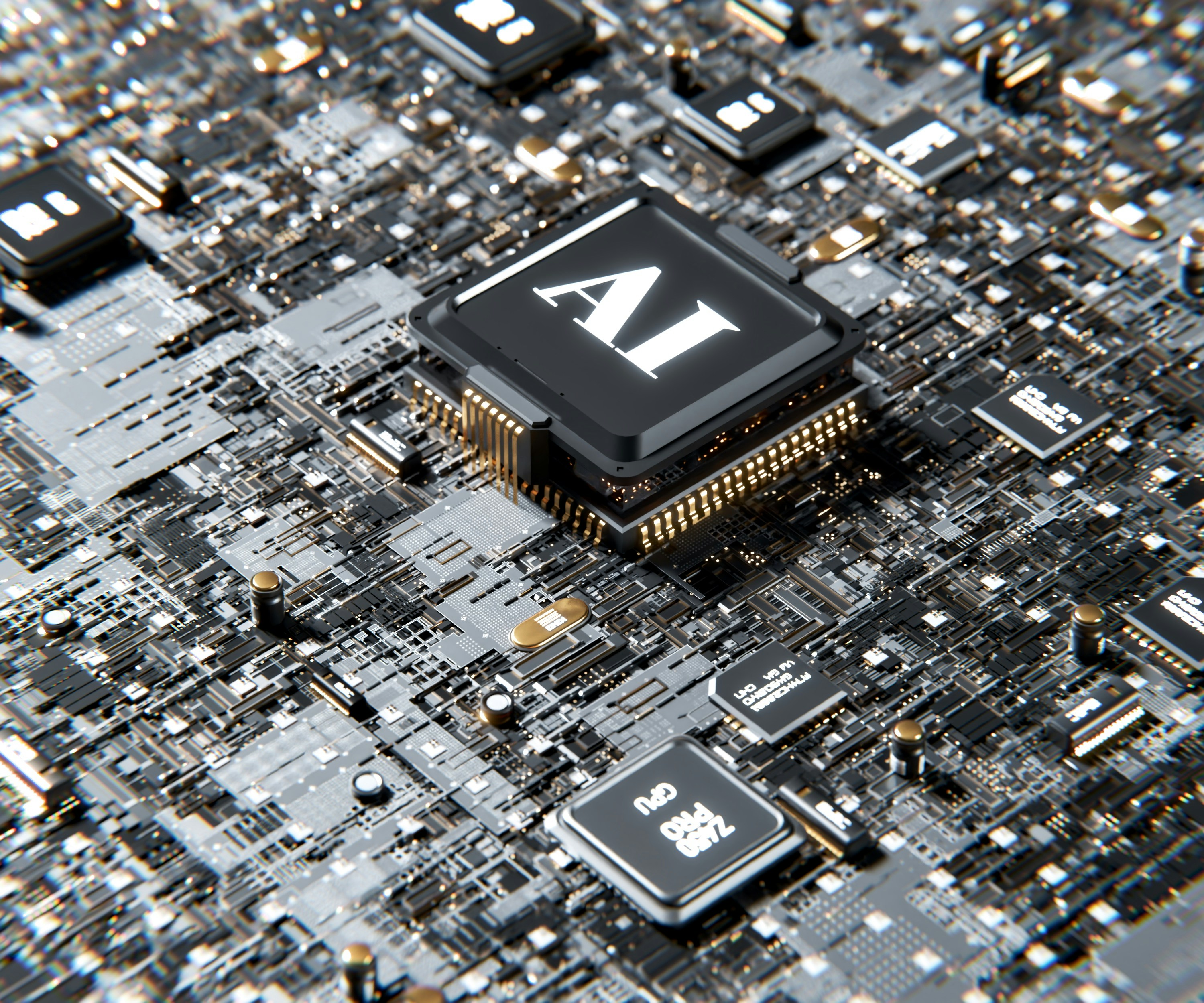
    In recent years, artificial intelligence (AI) has witnessed remarkable advancements that have significantly transformed various industries. Innovations in AI encompass a broad spectrum of developments, including machine learning algorithms, natural language processing, computer vision, and robotics. These technologies have not only enhanced operational efficiency but have also opened up new avenues for creativity and problem-solving across sectors such as healthcare, finance, and transportation.

    The current landscape of AI technology is characterized by rapid progress, driven by increased computational power and the availability of vast amounts of data. Organizations are leveraging innovative AI models to analyze and interpret complex information, facilitating better decision-making processes. For instance, predictive analytics in business now enables companies to anticipate customer needs, leading to improved service delivery and enhanced customer satisfaction.

    Moreover, the implications of these innovations extend beyond mere operational improvements. AI is reshaping workforce dynamics, creating a critical dialogue surrounding the integration of automated systems. This intersection of technology and human labor poses both opportunities and challenges, making it imperative for industries to adapt. As AI continues to rise in relevance, businesses must remain agile, embracing new tools and strategies to stay competitive in this ever-evolving landscape.

    As we navigate through this discourse on the latest innovations in AI, we will delve deeper into specific applications and their impact on various sectors. The urgency to explore these advancements becomes evident when considering their potential to reshape societal norms and enhance overall quality of life. Thus, understanding the current state of AI not only captivates curiosity but also equips stakeholders with the knowledge to strategically approach this technological revolution.

    Advancements in Machine Learning

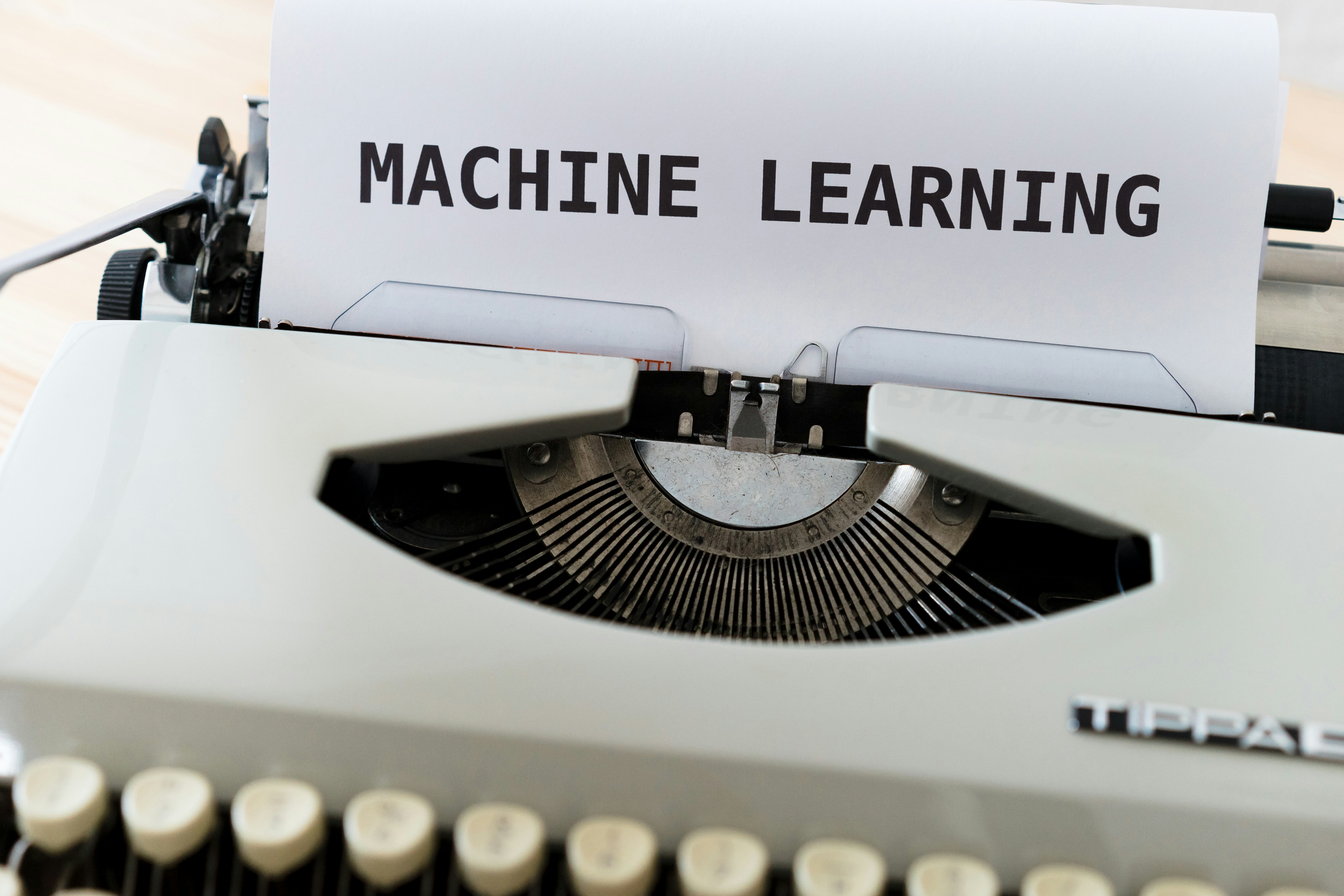
    Machine learning, a subset of artificial intelligence, has witnessed significant advancements in recent years, fundamentally transforming various industries. These advancements can be categorized into several approaches, including supervised, unsupervised, and reinforcement learning techniques. Supervised learning leverages labeled datasets to train models, enabling them to make predictions or classifications. Meanwhile, unsupervised learning algorithms identify patterns within unlabeled data, facilitating the discovery of hidden relationships and insights.

    One of the most impactful breakthroughs in machine learning is deep learning, which employs neural networks with multiple layers to capture intricate data patterns. This architecture has demonstrated exceptional performance in tasks such as image and speech recognition. In parallel, the emergence of transfer learning has allowed models pre-trained on large datasets to adapt to smaller, domain-specific datasets with minimal data, significantly reducing training time and improving accuracy.

    Additionally, the rise of automated machine learning (AutoML) is reshaping how machine learning models are developed. AutoML tools simplify the modeling process, enabling even non-experts to build effective models through automation. Such innovations not only democratize access to machine learning but also enhance productivity by allowing data scientists to focus on more complex problem-solving tasks.

    The implications of these advancements are profound across multiple sectors. In healthcare, machine learning is revolutionizing diagnostics and treatment recommendations, leading to improved patient outcomes and operational efficiency. In finance, predictive analytics powered by machine learning aids in fraud detection and risk management, thereby enhancing decision-making processes. Marketing departments leverage these techniques to analyze consumer behavior, optimize campaigns, and personalize customer experiences. As machine learning continues to evolve, its ability to streamline operations and aid in strategic decision-making is positioned to redefine industry standards.

    Natural Language Processing Revolution

    Natural Language Processing (NLP) has emerged as a pivotal area of artificial intelligence, fostering a remarkable transformation in how individuals interact with machines. Recent innovations in NLP, particularly the advent of transformer models and large language models, have radically changed the capabilities of AI systems. These advancements are not just technological milestones but also instrumental in bridging the communication gap between humans and computers.

    Transformer models, which use mechanisms such as self-attention, have redefined the landscape of NLP by enabling machines to understand context more profoundly and process vast amounts of text data efficiently. This leads to improvements in applications that require nuanced comprehension, such as chatbots and virtual assistants. Modern chatbots are now capable of engaging in more sophisticated conversations, understanding complex queries, and providing contextually relevant responses. This has significantly enhanced user experience in customer service sectors, where quick and efficient communication is paramount.

    Moreover, large language models, built upon the principles of deep learning, have demonstrated an unparalleled ability to generate human-like text, perform language translations, and create coherent written content. Such capabilities are proving invaluable in various industries, including content creation and education. For instance, in education, NLP tools can provide personalized learning experiences, facilitate interactive learning materials, and assist educators in assessing student performance more efficiently.

    The implications of these innovations extend further into areas like language translation services. Enhanced NLP models are achieving a level of accuracy that enables real-time translation, fostering better communication across language barriers and promoting globalization. This capability not only benefits businesses by targeting a wider audience but also enriches cultural exchange and collaboration on a global scale.

    As we continue to witness advancements in NLP technology, it is clear that its impact on industries will only grow, leading to more intuitive and accessible interactions between humans and artificial intelligence.

    The Rise of Robotics and Automation

    The advancements in robotics and automation, driven by artificial intelligence, have notably transformed multiple industries. In recent years, robotics technology has progressed from basic automation to sophisticated systems capable of performing tasks that were once solely dependent on human intelligence. This evolution has been particularly influenced by developments in computer vision, sensor technology, and autonomous systems. These innovations enable robots not only to perceive their environment but also to react to it in real-time, facilitating more complex operations.

    In the manufacturing sector, for instance, robots equipped with AI capabilities are utilized for precision tasks, such as assembly line work, where accuracy and efficiency are indispensable. The infusion of computer vision allows these robots to inspect products rapidly and identify defects that may elude the human eye. Consequently, this plays a crucial role in maintaining product quality while also increasing throughput, thereby boosting overall productivity.

    Logistics is another area experiencing the significant impact of robotics and automation. Autonomous delivery drones and self-driving vehicles have begun revolutionizing the distribution network. These systems enhance operational efficiency by reducing the time and costs associated with traditional logistics processes. Furthermore, the integration of sensor technology allows for real-time tracking and inventory management, optimizing supply chains and ensuring timely deliveries.

    Healthcare is also witnessing the emergence of robotics, with AI-powered surgical robots and virtual assistants transforming patient care. Surgical robots assist surgeons by offering enhanced precision during operations, minimizing recovery time for patients. Additionally, AI-driven virtual health assistants streamline administrative tasks, enabling healthcare professionals to focus more on patient engagement and care.

    Despite the extensive benefits associated with AI-driven robotics and automation, there are significant implications to consider. As these technologies proliferate, the potential for increased productivity is coupled with concerns over job displacement. Addressing this balance will be essential as industries navigate the future landscape shaped by these innovations.

  • Frequently Asked Questions About AI: Understanding Its Role, Benefits, and Ethical Considerations

    man in black and gray suit action figure

    What is Artificial Intelligence?

    Artificial Intelligence (AI) refers to the simulation of human intelligence processes by computer systems. This broad field encompasses various technologies aimed at enabling machines to carry out tasks that typically require human-like cognitive functions. Core concepts of AI include learning, reasoning, problem-solving, perception, and language understanding. Unlike traditional computing, which follows preset algorithms and rules, AI systems can analyze data, learn from it, and adapt their functions based on new information.

    One of the primary branches of artificial intelligence is machine learning (ML), which focuses on the development of algorithms that enable computers to learn patterns from data without explicit programming for each task. ML empowers AI systems to improve their performance over time through experience, making it suitable for applications ranging from recommendation systems to autonomous vehicles.

    Another significant branch is natural language processing (NLP), which allows machines to understand and interact with human language. NLP plays a crucial role in various applications like virtual assistants, chatbots, and sentiment analysis. By leveraging NLP, AI systems can process and analyze vast amounts of textual information, facilitating more meaningful human-computer interactions.

    Robotics, another fundamental aspect of AI, involves the design and creation of machines capable of performing tasks autonomously or semi-autonomously. This subfield combines AI algorithms with physical robots to execute complex tasks across various domains, including manufacturing, healthcare, and exploration. Robots equipped with AI can perceive their environments, make decisions, and perform intricate operations that were once solely reliant on human intervention.

    Overall, understanding artificial intelligence involves recognizing its diverse branches and their applications. Each segment contributes to the overarching goal of making machines smarter and more capable, setting the stage for future innovations that will redefine human and machine interaction.

    How is AI Used Today?

    Artificial Intelligence (AI) has significantly transformed various industries by streamlining processes, enhancing productivity, and providing innovative solutions to complex problems. Its deployment is evident in everyday applications, showcasing its extensive impact across multiple sectors. Notably, the healthcare industry has harnessed AI for diagnostics and personalized medicine. Medical professionals now utilize AI algorithms to analyze medical images, leading to the early detection of diseases such as cancer. Additionally, AI-driven tools assess patient data to create personalized treatment plans, enhancing patient outcomes and optimizing healthcare delivery.

    In the finance sector, AI has revolutionized the way transactions and investments are managed. Algorithmic trading utilizes AI to analyze vast datasets and make split-second trading decisions, maximizing profit margins. Furthermore, AI applications have improved fraud detection mechanisms, enabling financial institutions to identify and mitigate fraudulent activities in real-time. By analyzing patterns and anomalies in transaction data, AI systems can effectively protect clients’ assets and ensure the integrity of financial operations.

    The entertainment industry has also experienced the transformative influence of AI, particularly in content recommendation systems. Streaming platforms like Netflix and Spotify employ AI algorithms to analyze user preferences and behavior, providing personalized content recommendations. This keeps users engaged and enhances their overall entertainment experience. Moreover, AI technology enables seamless interactions, such as voice assistants and chatbots, offering tailored suggestions based on individual user interactions.

    Overall, the integration of AI across various industries illustrates its pervasive nature in modern life. As it continues to evolve, its applications are likely to expand further, driving efficiency and innovation while also posing unique challenges that society must address.

    Benefits of AI

    Artificial intelligence (AI) has emerged as a transformative force across various sectors, significantly enhancing the capabilities of businesses and society. One of the primary benefits of AI is the remarkable increase in efficiency and productivity. By automating repetitive tasks, AI allows human workers to focus on more complex and creative endeavors. For instance, in manufacturing, the introduction of AI-powered robots has streamlined production processes, leading to faster output and reduced error rates. Companies like Amazon utilize AI for inventory management, optimizing supply chains, and predicting consumer demand, ultimately improving operational efficiencies.

    Moreover, AI enhances decision-making capabilities by providing valuable insights through data analysis. With advanced machine learning algorithms, organizations can process vast amounts of data to identify patterns, trends, and anomalies that might not be evident to human analysts. This capability is particularly crucial in sectors such as finance and healthcare, where timely decisions can have significant consequences. For example, AI has been employed to analyze medical records, leading to improved diagnostic accuracy and personalized treatment plans, which can ultimately save lives.

    Another critical advantage of AI lies in its potential to tackle complex global problems. Challenges such as climate change and disease outbreaks require innovative solutions that AI is well-positioned to provide. Environmental monitoring systems leverage AI to analyze data from satellites and sensors, enabling more effective responses to climate-related changes. In public health, AI technologies have been vital during pandemics for tracking the spread of diseases and optimizing resource allocation. Through real-world applications and case studies, it is evident that AI is not only a tool for individual enterprises but also plays a pivotal role in addressing some of society’s most significant challenges.

    What Are the Ethical Considerations Surrounding AI?

    The integration of artificial intelligence (AI) into various sectors presents numerous ethical considerations that require critical examination. One significant concern is algorithmic bias, which refers to the systematic favoritism that can emerge in AI systems. Algorithms, often trained on historical data, can inadvertently reflect and perpetuate societal biases. For instance, if an AI system is fed data that contains prejudiced outcomes, it may learn to generate similar biased results, impacting decisions in crucial areas such as hiring, lending, and law enforcement. This raises important questions regarding fairness and equity in AI applications.

    Another pressing ethical issue pertains to data privacy. As AI systems rely on vast amounts of data to function effectively, the collection and utilization of personal information pose significant risks. The potential for misuse or unauthorized access to sensitive data calls for strict regulations and robust privacy measures. Individuals must be informed about how their data is being used, and organizations should prioritize transparency and accountability in their data handling practices. Balancing innovation with individuals’ rights to privacy is an ongoing challenge within the AI landscape.

    Additionally, the implications of job displacement due to AI automation bring forth ethical dilemmas that merit consideration. As machines become increasingly capable of performing tasks traditionally executed by humans, there is a growing concern about the future of employment in various industries. The potential loss of jobs can exacerbate economic inequalities, leading to societal unrest and ethical obligations for businesses and governments to facilitate transitions and reskilling initiatives. Reflecting on these challenges necessitates a thorough examination of the moral responsibilities tied to AI development, emphasizing the need for thoughtful discourse as we navigate the evolving technological landscape.

    How Does AI Impact Employment?

    The emergence of artificial intelligence (AI) has brought about significant changes in the landscape of employment. While many individuals fear that AI will lead to widespread job displacement, the reality is more nuanced. AI has the potential to automate routine and repetitive tasks, which may indeed eliminate certain job roles. However, it simultaneously creates opportunities for new roles that require human oversight, creativity, and complex problem-solving skills.

    According to various studies, it is estimated that by 2030, AI could replace 15% of jobs across certain sectors. However, it is equally important to note that this technology is projected to generate 20 million new jobs globally. These jobs may encompass AI development, maintenance, and oversight, as well as entirely new industries that evolve as AI capabilities advance. For example, roles in AI ethics, data analysis, and other tech-driven fields are anticipated to grow significantly.

    To adapt to this shift, there is a pressing need for reskilling and upskilling the current workforce. Organizations must invest in training programs that focus on equipping employees with the necessary skills to work alongside AI technologies. Workers who upskill are more likely to remain relevant in a technology-driven environment, thus minimizing the fear of unemployment caused by automation. Educational institutions are also evolving their curriculums to address the increasing demand for skills that complement AI, ensuring that graduates are prepared for the future job market.

    In conclusion, while AI undeniably has the capacity to disrupt traditional employment models, it also presents opportunities for growth and innovation. The focus should be on embracing change through education and training, facilitating a workforce that is equipped to thrive alongside AI advancements.

    What Are the Future Trends in AI?

    The field of artificial intelligence (AI) is progressing at an unprecedented pace, significantly reshaping numerous industries and aspects of everyday life. One of the most notable emerging trends is the development of generative AI, a subset of AI that focuses on creating new content by leveraging existing data. Innovations in generative models, such as OpenAI’s ChatGPT and DALL-E, have begun revolutionizing creative fields like art, music, and writing, showcasing AI’s potential to augment human creativity while raising questions about authorship and originality.

    Additionally, the ethics and governance of AI are taking center stage as stakeholders increasingly recognize the importance of responsible AI deployment. With its growing influence, there is a pressing need to create guidelines and regulatory frameworks that promote fairness, transparency, and accountability in AI systems. The integration of ethical considerations into AI development will not only enhance public trust but also mitigate potential biases and discrimination arising from algorithmic decisions.

    Lastly, AI is playing a crucial role in addressing global challenges, such as climate change, healthcare disparities, and resource allocation. Advanced predictive analytics enable organizations to forecast environmental patterns, improving disaster response and management. In healthcare, AI-driven diagnostics and personalized treatment plans are enhancing patient outcomes and accessibility to care. These trends highlight how AI can be an asset in tackling pressing worldwide issues, promoting sustainable development while fostering innovation.

    Looking ahead, it is clear that AI will continue to evolve, further influencing various sectors. As generative technologies advance and ethical frameworks solidify, society must adapt to the opportunities and challenges posed by AI’s integration into daily life, ensuring that its benefits are accessible and equitable for all.

    Getting Started with AI

    Embarking on a journey into artificial intelligence (AI) can be an exciting and rewarding experience, whether you come from a technical or non-technical background. To start, it is essential to gather knowledge about the field. Many excellent resources are available online that cater to different learning styles. Websites like Coursera, edX, and Udacity offer various courses ranging from introductory to advanced topics, encompassing machine learning, neural networks, and natural language processing. These platforms often feature instructors from leading universities and organizations, ensuring a comprehensive education in AI.

    Additionally, books such as “Artificial Intelligence: A Modern Approach” by Stuart Russell and Peter Norvig provide a thorough foundation for those inclined to delve deeper into the theoretical frameworks behind AI technologies. For more practical guidance, “Hands-On Machine Learning with Scikit-Learn, Keras, and TensorFlow” by Aurélien Géron is an excellent resource, facilitating a hands-on approach to learning about AI tools and techniques.

    Experimentation is a key component of understanding AI. To apply what you learn, consider using platforms like Google Colab or Kaggle, which provide environments for coding and collaboration on AI projects. These tools allow users to work through data challenges, participate in competitions, and build portfolios demonstrating their skills. Engaging with communities, such as the AI sections of sites like Reddit or Stack Overflow, can further enhance your understanding and provide support from fellow learners and professionals.

    For those seeking a career in AI, it is essential to assess the skills required for various roles ranging from data scientists and machine learning engineers to AI ethicists and product managers. Exploring internships and entry-level jobs will help build experience while networking within the AI field opens up additional opportunities. Therefore, whether from a coding or creative standpoint, a wealth of resources and communities exist to help individuals embark on their AI journey successfully.

  • Exploring Industry Trends in AI: Adapting to a New Technological Landscape

    black and white robot toy on red wooden table

    Introduction to AI Trends

    The landscape of artificial intelligence (AI) technology has undergone significant transformation in recent years, driven by rapid advancements across various domains. Notably, developments in machine learning, natural language processing (NLP), and computer vision have redefined the capabilities of AI, leading to innovations that enhance both efficiency and effectiveness in multiple sectors. These advancements not only signify technological progress but also indicate a broader shift in how businesses operate and strategize.

    Machine learning, a core component of AI, enables systems to learn from data and improve over time without explicit programming. This capability has implications across diverse industries. For instance, in healthcare, machine learning algorithms are increasingly used for predictive analytics, allowing for early diagnosis and personalized treatment plans. Similarly, in finance, AI-driven models facilitate risk assessment and fraud detection, significantly altering traditional operational capacities. Retail, too, has witnessed the integration of machine learning to optimize inventory management and enhance customer experience through personalized recommendations.

    Natural language processing technology has been at the forefront of enhancing human-computer interaction. As AI systems become adept at understanding and generating human language, applications such as virtual assistants and chatbots are increasingly utilized across various sectors. This integration not only offers substantial cost savings but also transforms customer service dynamics, allowing businesses to offer timely and efficient support.

    Computer vision, another pivotal area of AI, has applications ranging from facial recognition to object detection. In sectors such as security and transportation, computer vision technologies contribute to enhanced safety measures and operational efficiency. As organizations embrace these technologies, they are progressively reshaping their business models and strategic approaches to leverage the full potential of AI.

    The continued evolution of artificial intelligence indicates a promising yet complex future. As the capability of these technologies grows, it becomes essential for businesses to adapt accordingly and remain competitive in an increasingly technology-driven environment.

    Key Technological Advancements in AI

    The landscape of artificial intelligence (AI) is rapidly evolving, with advancements shaping its application across various industries. One notable trend is the rise of generative AI, which leverages algorithms to produce new content, including images, music, and text. For instance, companies in the creative sector are utilizing generative AI to assist in storytelling and design, enhancing productivity while allowing for innovative propositions. This capability not only streamlines workflows but also introduces creative possibilities that were previously unimaginable.

    Another significant advancement is the improvement in predictive analytics driven by the integration of machine learning techniques. Predictive analytics allows organizations to forecast future trends by analyzing historical data, leading to more informed decision-making. In sectors such as finance, businesses employ predictive models to assess risk and optimize investment strategies, resulting in smarter financial management. The healthcare industry has similarly adopted predictive analytics to anticipate patient needs, contributing to better patient outcomes and resource allocation.

    The integration of AI with Internet of Things (IoT) devices marks another transformative shift in technology. The combination of these two innovations enables real-time data collection and analysis, facilitating smarter operational decisions. For instance, manufacturing companies implement IoT sensors to monitor machinery performance, employing AI algorithms to predict equipment failures before they occur. By doing so, they enhance operational efficiency and reduce unexpected downtimes.

    However, as AI technology evolves, it presents challenges that cannot be overlooked. Issues such as bias in AI decision-making processes can lead to unfair practices, while concerns regarding data privacy necessitate stringent measures to protect sensitive information. Addressing these challenges is critical to ensure that the benefits of AI advancements are realized without compromising ethical standards.

    Impact of AI on Various Industries

    The influence of artificial intelligence (AI) on various industries has become increasingly significant, shaping how businesses operate and deliver value. In the healthcare sector, for instance, AI technologies are revolutionizing areas such as telemedicine and diagnostics. Telemedicine has been enhanced through AI-powered platforms that facilitate remote patient monitoring and consultations, allowing healthcare professionals to provide timely care. Additionally, AI-driven diagnostic tools can analyze medical data with remarkable accuracy, assisting in early disease detection and personalized treatment plans.

    In finance, AI is transforming operations through advanced algorithms for fraud detection and algorithmic trading. Financial institutions leverage machine learning models to analyze patterns in transactions, identifying anomalies and reducing fraudulent activities. Moreover, algorithmic trading employs AI to execute trades at optimal prices, minimizing risks and maximizing potential returns. These applications not only improve efficiency but also bolster the overall security and integrity of financial services.

    The retail sector is experiencing a significant shift thanks to AI integration. Personalized shopping experiences are being cultivated through AI algorithms that analyze consumer behavior and preferences. Retailers can provide tailored product recommendations, enhancing customer satisfaction and loyalty. Additionally, AI is significantly improving inventory management processes by predicting demand, optimizing stock levels, and ultimately reducing operational costs. Companies like Amazon have successfully adopted AI-driven logistics to ensure timely deliveries while maintaining inventory accuracy.

    As these industries continue to adapt to advancements in AI, future developments could further reshape their landscapes. Potential implications may include greater automation, improved analytics for decision-making, and innovative customer engagement strategies. Understanding these trends will be crucial for businesses that seek to remain competitive in a rapidly evolving technological landscape.

    Strategies for Businesses to Leverage AI Opportunities

    As artificial intelligence (AI) continues to reshape industries, businesses must adopt effective strategies to harness its potential. One essential approach is investing in workforce training to enhance digital skills. Equipping employees with the necessary competencies not only improves productivity but also fosters a culture of innovation. Companies can offer workshops, online courses, and mentorship programs focused on AI technologies, ensuring their teams are well-versed in leveraging these tools for decision-making and problem-solving.

    In addition to workforce development, organizations should adopt agile methodologies for AI integration. Implementing an agile approach allows businesses to remain flexible and responsive to changes in technology and market conditions. This involves iterative processes where teams design, test, and refine AI solutions continuously. By emphasizing experimentation and feedback, companies can adapt their strategies swiftly, thereby maximizing their return on investment in AI initiatives.

    Furthermore, establishing partnerships with technology firms can significantly bolster a business’s AI capabilities. Collaborating with industry experts provides access to advanced tools, insights, and resources that may be beyond the reach of in-house capabilities. Such partnerships can accelerate the deployment of AI solutions and enable organizations to stay abreast of emerging developments in the technology landscape.

    While leveraging AI’s advantages, it is crucial for businesses to adhere to ethical practices and compliance with regulatory standards. Implementing best practices for ethical AI usage helps to mitigate risks associated with bias and privacy concerns, ensuring that AI applications are used responsibly. Organizations must remain vigilant in monitoring their AI systems and regularly updating policies and procedures to align with evolving legal frameworks.

    In conclusion, the dynamic nature of AI technologies necessitates that businesses remain agile and responsive. By investing in workforce training, adopting agile methodologies, partnering with tech firms, and committing to ethical practices, organizations can effectively navigate the complexities of AI. This proactive stance not only positions them to seize current opportunities but also prepares them for future developments in this rapidly advancing field.